An ecosystem connecting divers, buoy, and surface
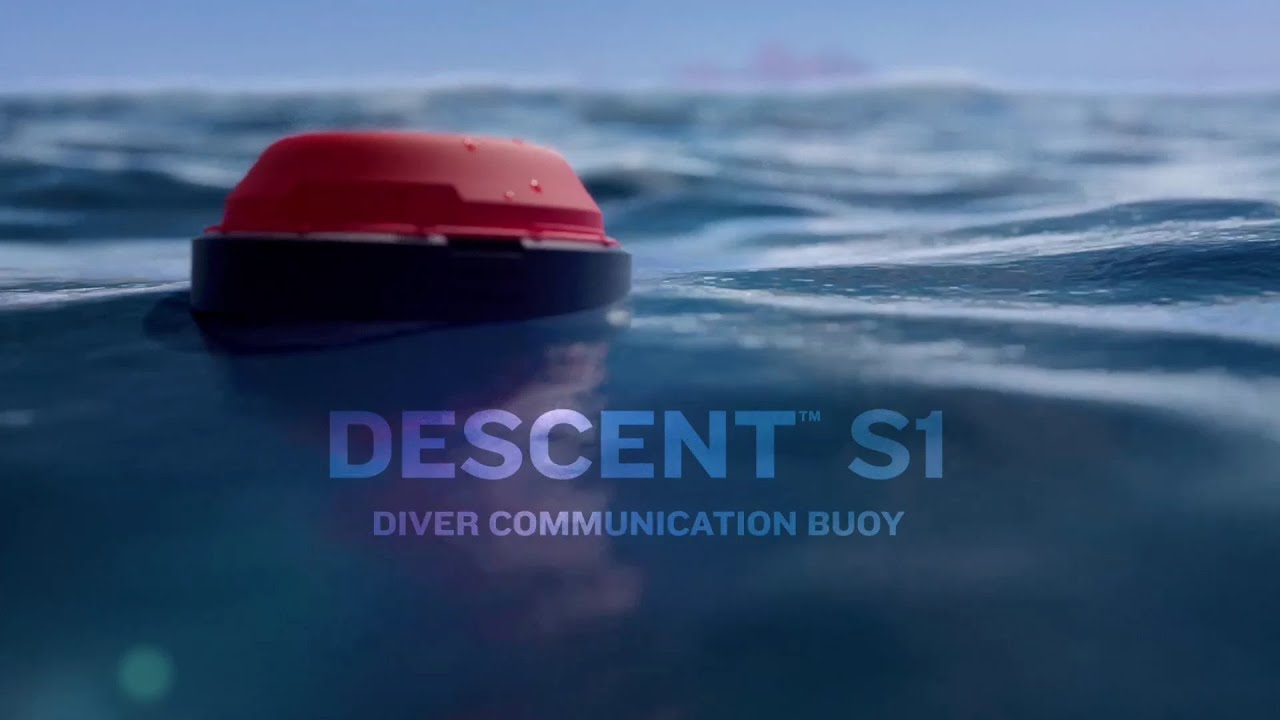
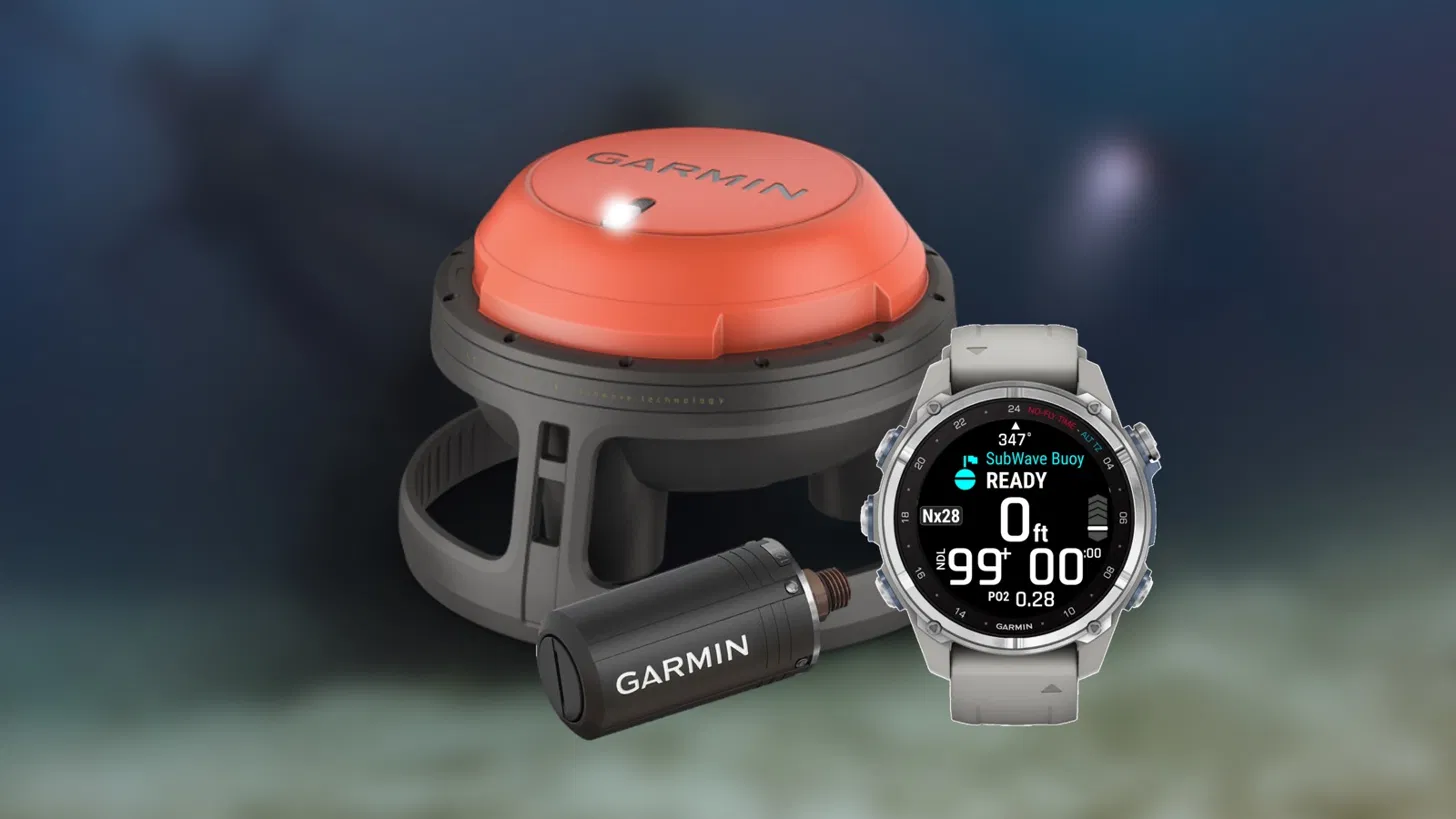
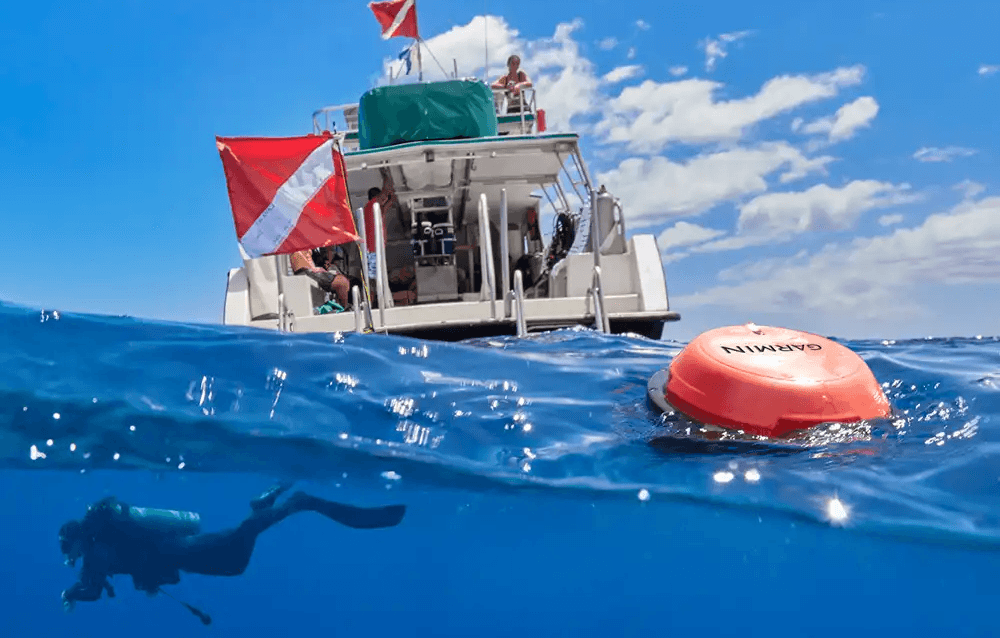
In the SubWave ecosystem, a diver's transmitter and watch connect via SubWave sonar technology to a floating S1 buoy. People above water connect to the S1 over WiFi.
With the Descent S1 buoy, surface crews can monitor divers' status, while divers can use the buoy as a homing beacon to navigate back to the surface location.
On the dive computer, navigation originally lived inside the compass page — distance and bearing to the buoy, buried layers down.
The "bad data zone"
When a diver sits in the fan-shaped zone directly beneath the buoy, the device can't reliably determine the buoy's direction. It is a hardware limitation the team called the "bad data zone."
My task: design an error state for it.
Are we solving the right problem?
Before our UI designer drawing yet another error icon, I stopped and asked:
Are we even addressing the core problem at all?
Re-examining the design, I identified two key aspects the original framing had missed.
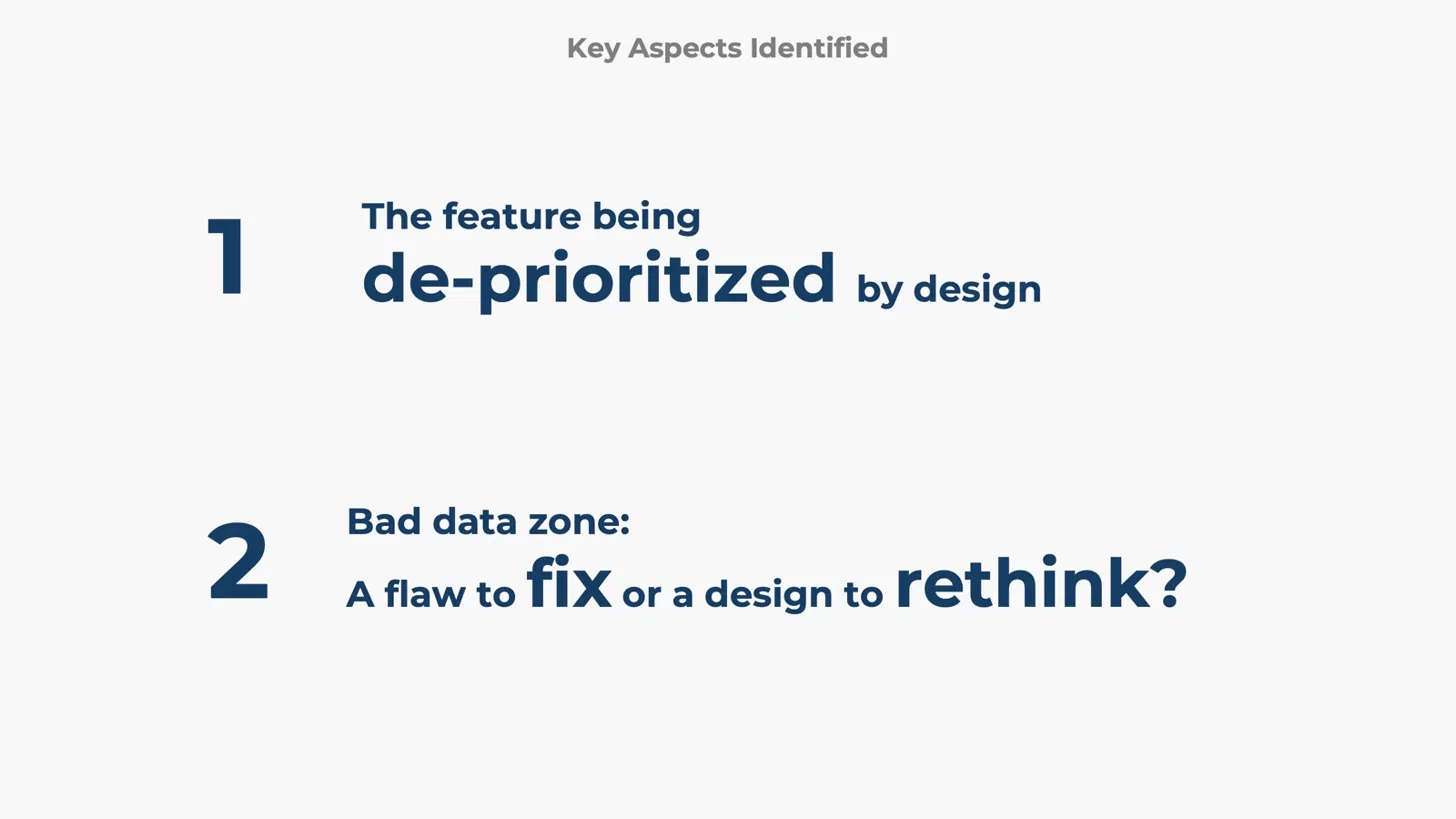
→ Process friction had quietly sidelined a safety-critical feature.
→ At this range, direction matters less. This isn't an error — it's a meaningful state worth designing for.
Rebuilt on three levels
I rebuilt the experience across product, information, and interaction:
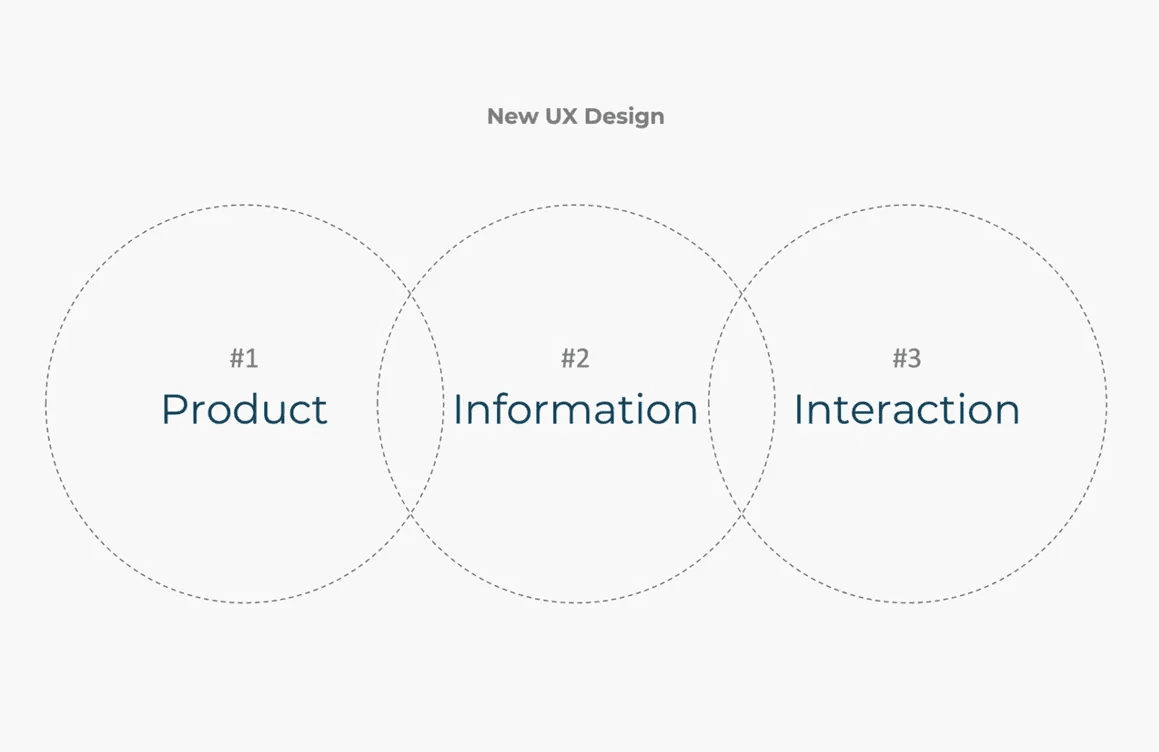
Product — Anchoring it in the ecosystem. Repositioned navigation into a dedicated, always-available SubWave Buoy page, instead of something buried in the compass.
Information — Always available, instantly readable. Brought heading, buoy bearing, bearing difference, and distance into one clear, readable layout.
Interaction — From direction to distance. A guided shift from direction-based to distance-based guidance as the diver closes in, with the former "bad data zone" reframed as a calm "you've arrived" state.
Through keen observation, out-of-the-box thinking, and a deep understanding of diver needs, I transformed a sidelined function into one of the most reassuring safety experiences within the SubWave ecosystem.
My vision for the SubWave Buoy experience was simple: create a feature that divers can always rely on. A feature that points you home—and takes you there.
The feature was exceptionally well received internally and externally. Divers repeatedly highlighted the value of having a dependable point of reference throughout their dive, validating both the design direction and the underlying user need.
Selected user feedback is included below:
"Even safer diving experience
Descent S1 represents an absolute innovation for the safety of divers, who can now count on information on the distance and direction of the buoy, constantly receiving clear indications to immediately identify, in case of disorientation, the spot to resurface.
Whether attached to the signal buoy or the line, the function Find Buoy therefore allows you to recognize the point to reach it in a simple and intuitive way."
— ScubaPotal.it
"One useful feature was the directional guidance on the diver’s computer—a simple arrow and distance reading pointing back to the buoy. … in current or low visibility, it could be a genuine help."
— DIVEIN.com
"From a UX standpoint, Alex, I think the redesigned UX is extremely intuitive. Not only was it functional, but I found it valuable. It gave you the warm and fuzzy that you are back home."
— Staff engineer from Garmin dive team