My first feature on the Descent line
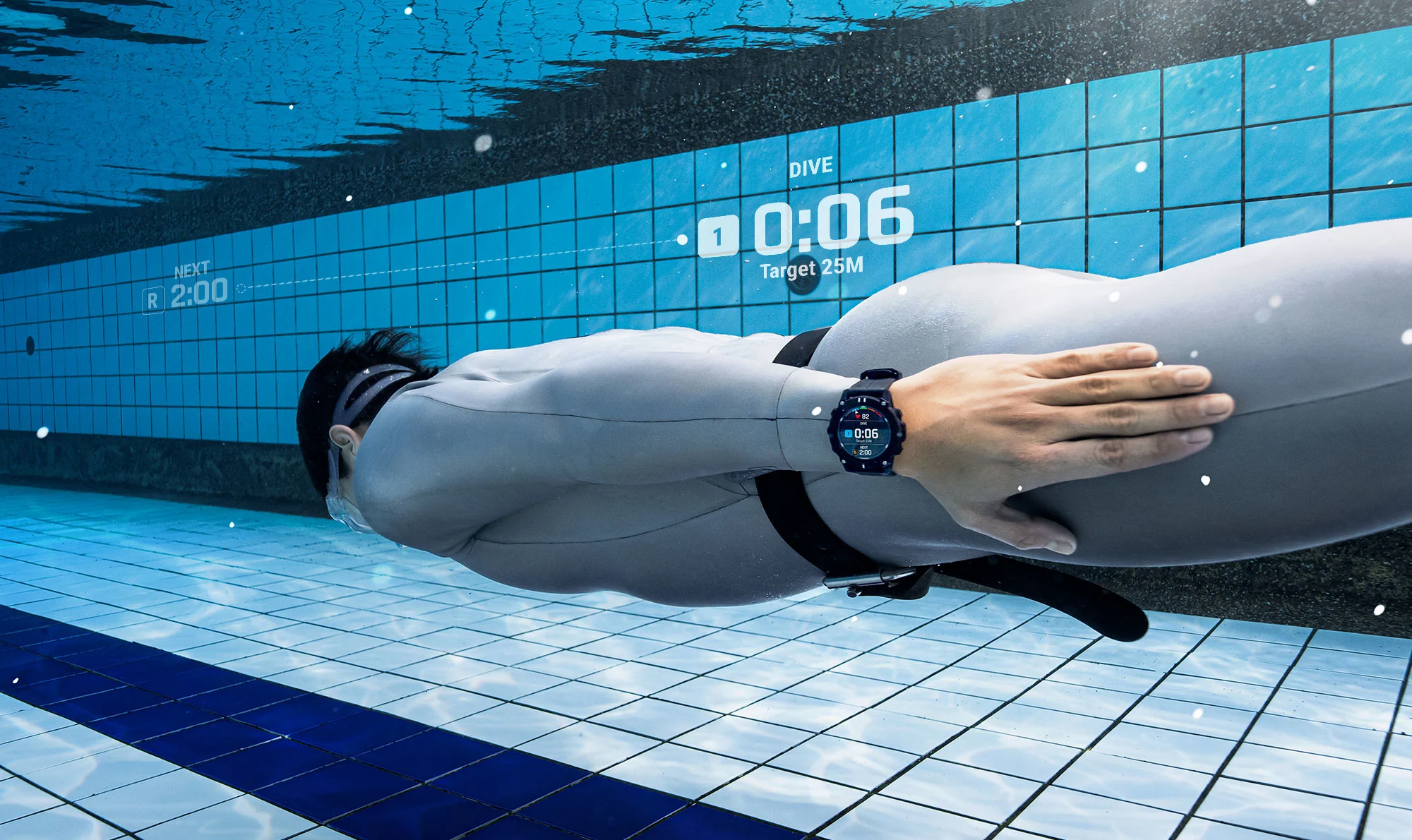
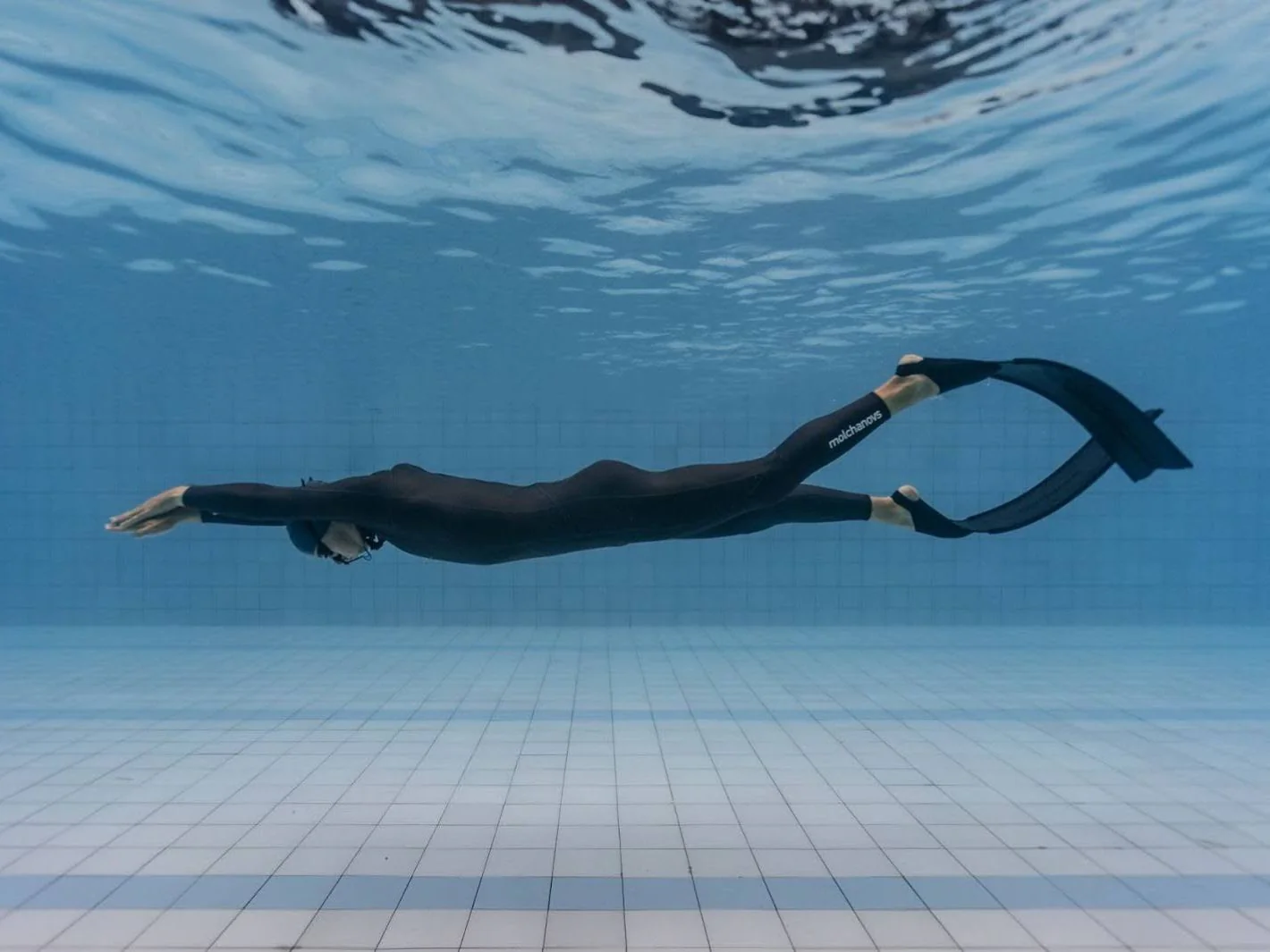
Pool apnea is a form of freediving practiced in a pool, where divers rely on a single breath — a sport built on movement efficiency, mental state, and body control. The goal was clear but demanding: design a tool freedivers would genuinely train with, not just a data logger.
That meant the design had to fit the rhythm and reality of how athletes actually train. That kind of fidelity couldn't come from a spec sheet; it had to come from understanding the sport itself.
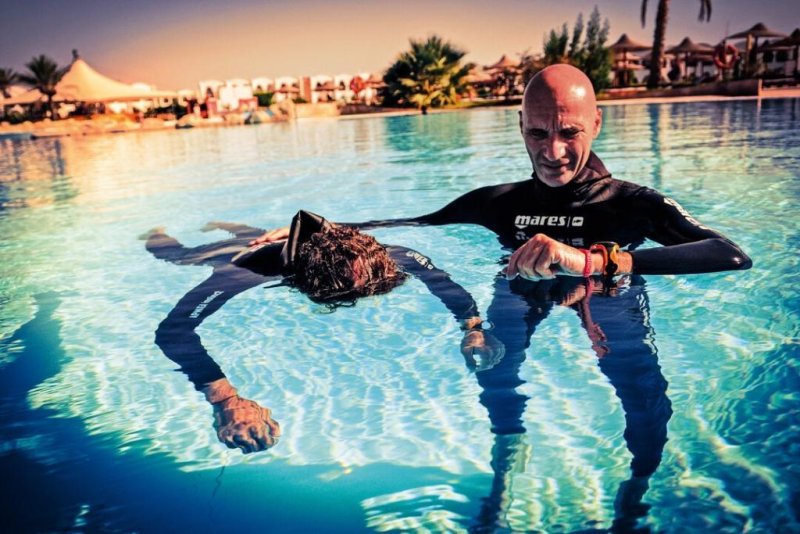
Positioning first: a tool for freedivers
Before any UI, I set a clear design principle: this feature is purpose-built for freedivers as a training tool. Every decision downstream would be judged against whether it served a real athlete's training session.
To build genuine understanding of the activity, I drew on three complementary sources:
Real scenario
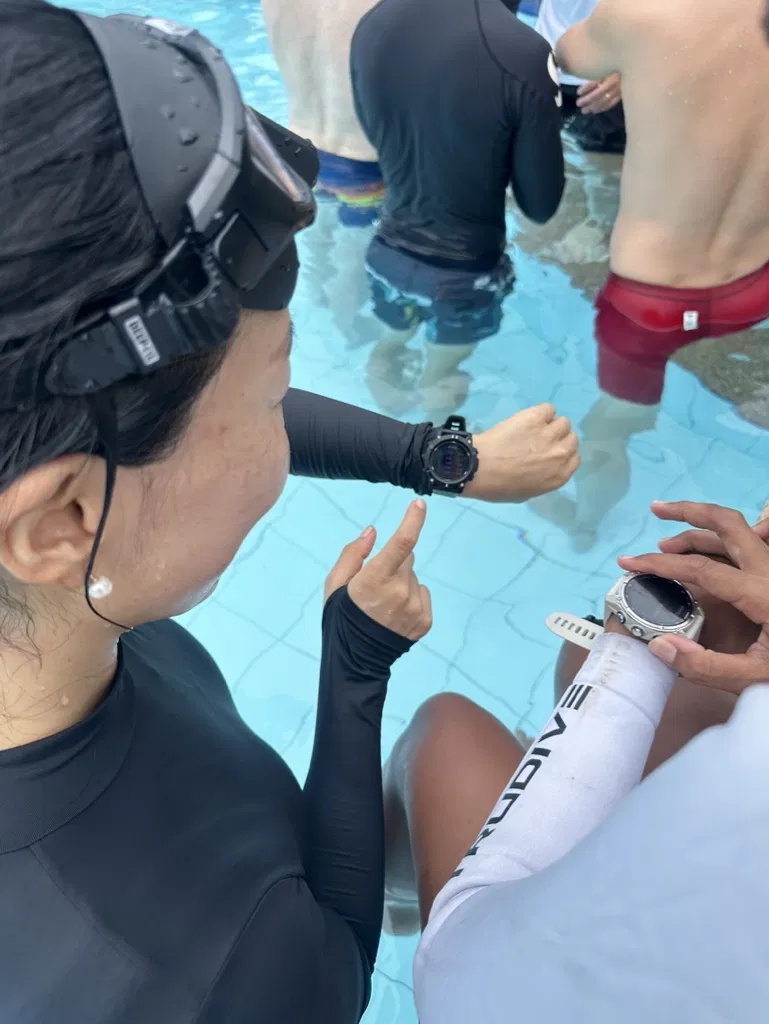
Observed competitions firsthand — how events run, how athletes prepare
Competitors
Studied how existing products approached pool apnea training
Athletes
Consulted competing freedivers on their real training needs and pain points
What the research revealed
Three findings shaped the whole design:
Training has two physiological aims — tolerating high CO₂ (to delay the urge to breathe) and tolerating low O₂ (to adapt to low-oxygen conditions). Every workout serves one or the other.
Athletes switch disciplines mid-session — within a single two-hour training block, a diver moves across disciplines (fins, bi-fins, no-fins). These needed to log under one session, not fragment into separate records.
Static training is highly unstructured — when paired with dynamic training, static breath-holds happen unpredictably, during dives or rest.
A 2×2 of structured workouts, plus a free mode
I translated the findings into a framework athletes could navigate instinctively. Structured tables cover focused, repeatable training; a free mode absorbs everything that doesn't fit a template.
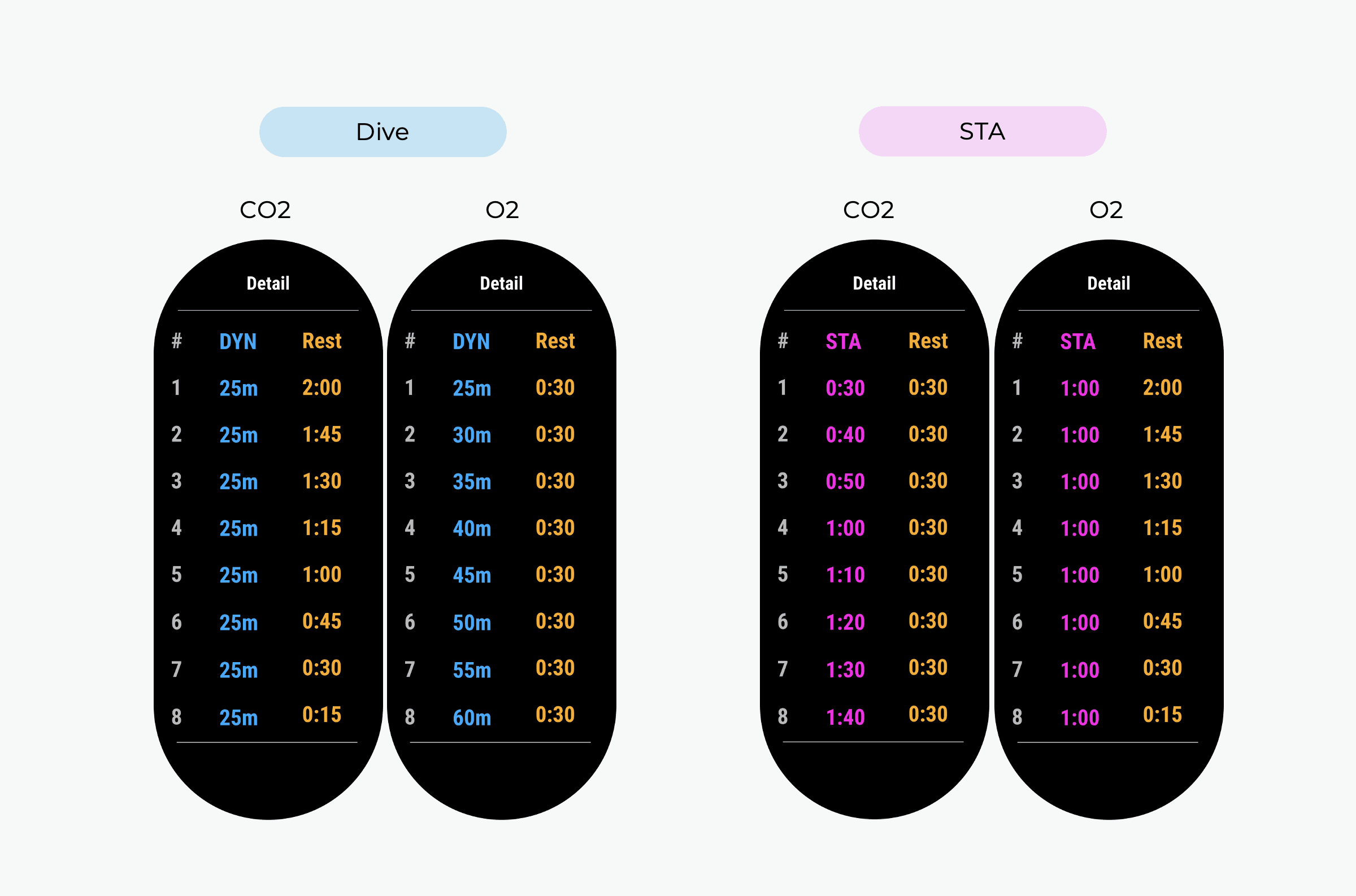
Structured: 2 types × 2 targets
By exposing breath-hold and rest as tunable parameters, the same two entry points generate four distinct, purposeful workouts:
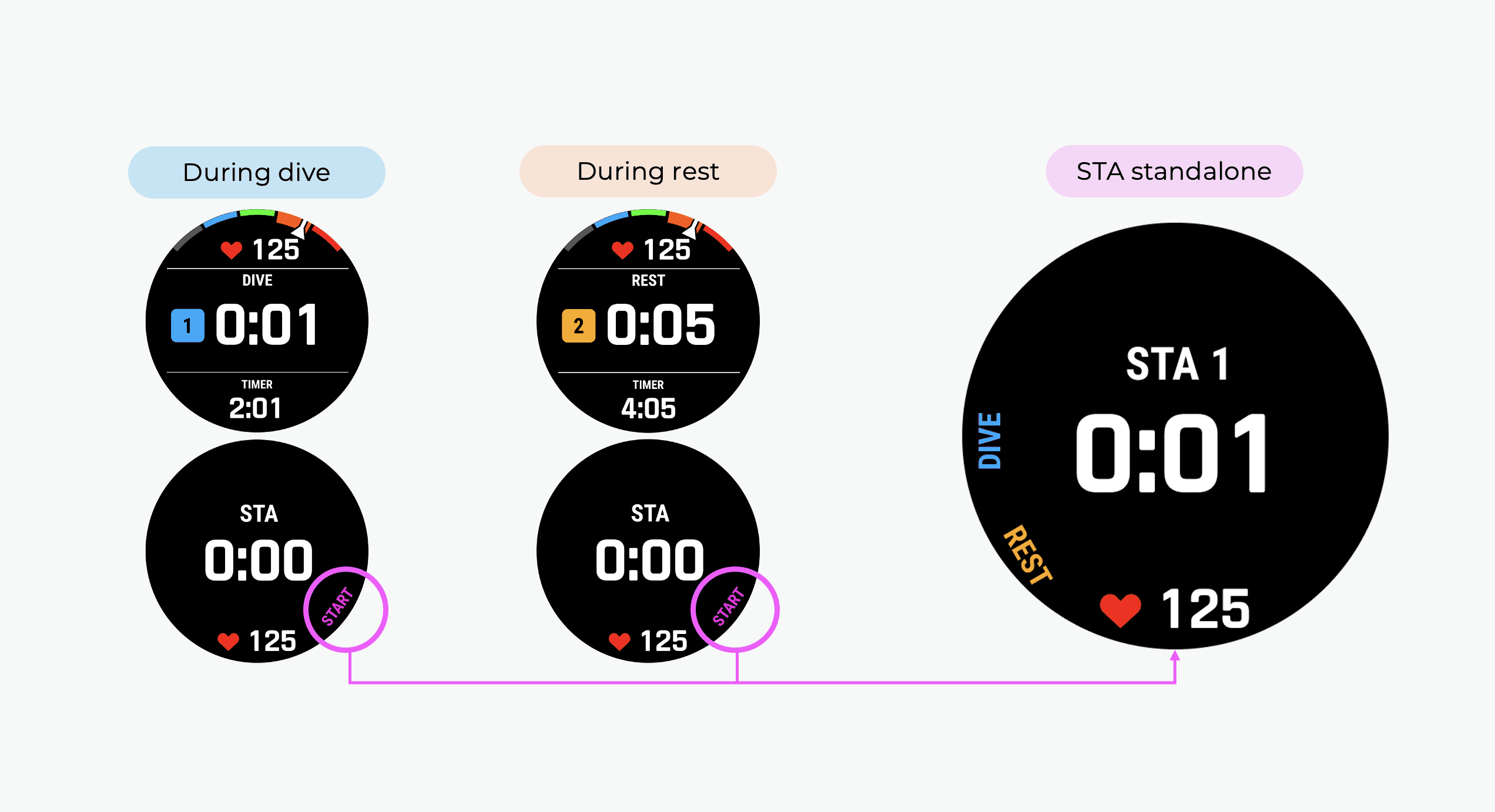
Free mode for real-world flexibility
A flexible state athletes can trigger anytime, mid-dive or mid-rest, with seamless discipline switching. Everything still records into one continuous training session and a complete report.
Built for athletes, recognized by them
The feature was validated by elite freedivers — including a Team USA captain and top-ranked APAC athletes — and resonated with real users after launch.
"It looks like someone at Garmin has thought this one through and implemented a solution for us."
— User feedback, Garmin Forum